
Few travel experiences are as closely associated with Japan as visiting an onsen. These traditional hot springs have been part of Japanese culture for centuries and continue to play an important role in daily life, wellness, and tourism. For many visitors, spending time in an onsen becomes one of the most memorable parts of a trip, offering an opportunity to relax while experiencing a unique aspect of Japanese tradition.
From mountain retreats surrounded by forests to coastal hot spring towns overlooking the sea, onsen can be found throughout the country. While first time visitors may initially feel unsure about customs and etiquette, understanding a few basic principles makes the experience far more approachable and enjoyable.
This Japan onsen guide explains what makes these hot springs special, the different types available, popular destinations worth considering, and practical tips that can help first time visitors feel comfortable during their visit.
What Makes Japanese Onsen Unique
Unlike ordinary baths, onsen use naturally heated mineral rich water that emerges from geothermal sources beneath the earth. Japan’s volcanic landscape has created thousands of hot springs across the country, giving rise to a culture that celebrates relaxation, wellness, and connection with nature.
Many travelers are surprised to discover that an onsen experience extends beyond simply soaking in hot water. Traditional hot spring facilities often emphasize peaceful surroundings, scenic views, local cuisine, and a slower pace of life. This combination helps create an atmosphere that encourages visitors to unwind and disconnect from everyday stress.
Another distinctive aspect of onsen culture is the strong connection to regional identity. Different areas are known for specific mineral compositions, landscapes, and traditions, meaning every destination offers a slightly different experience.
Different Types of Onsen
One reason why onsen remain so popular is the variety of experiences available. While all onsen revolve around natural hot spring water, the setting and atmosphere can vary significantly from one location to another.
Indoor Onsen
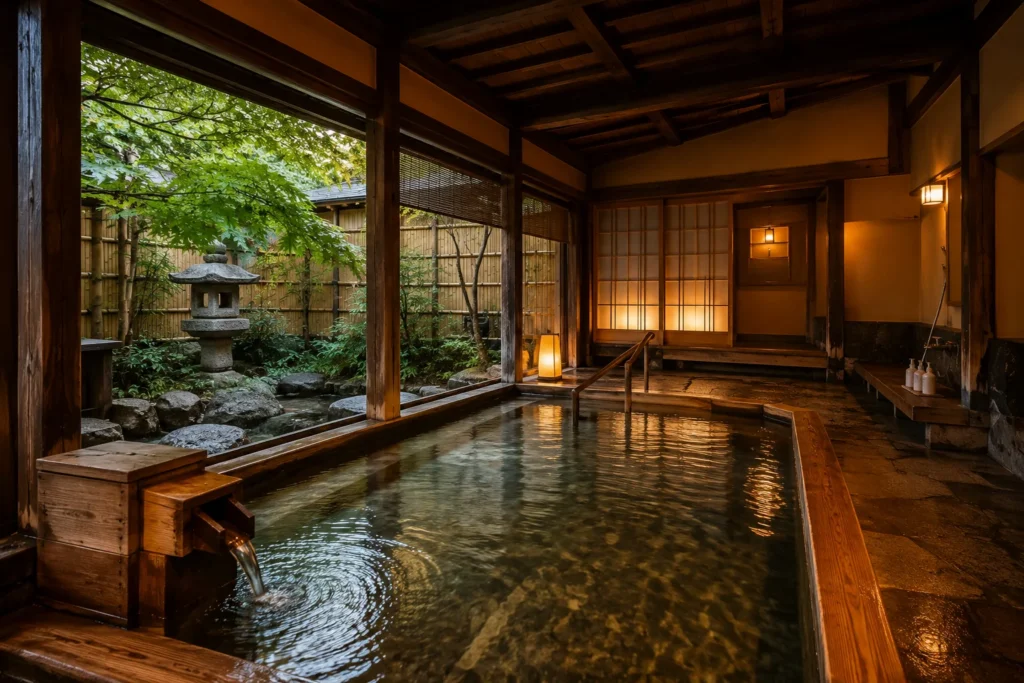
Indoor onsen are commonly found in hotels, ryokan, and dedicated hot spring facilities. These baths provide a controlled environment that can be enjoyed throughout the year regardless of weather conditions. Many visitors choose indoor baths when seeking a quiet and comfortable introduction to onsen culture.
Facilities often feature spacious bathing areas, changing rooms, and additional wellness amenities. For first time visitors, indoor onsen can feel more approachable because the environment is structured and easy to navigate.
Outdoor Onsen
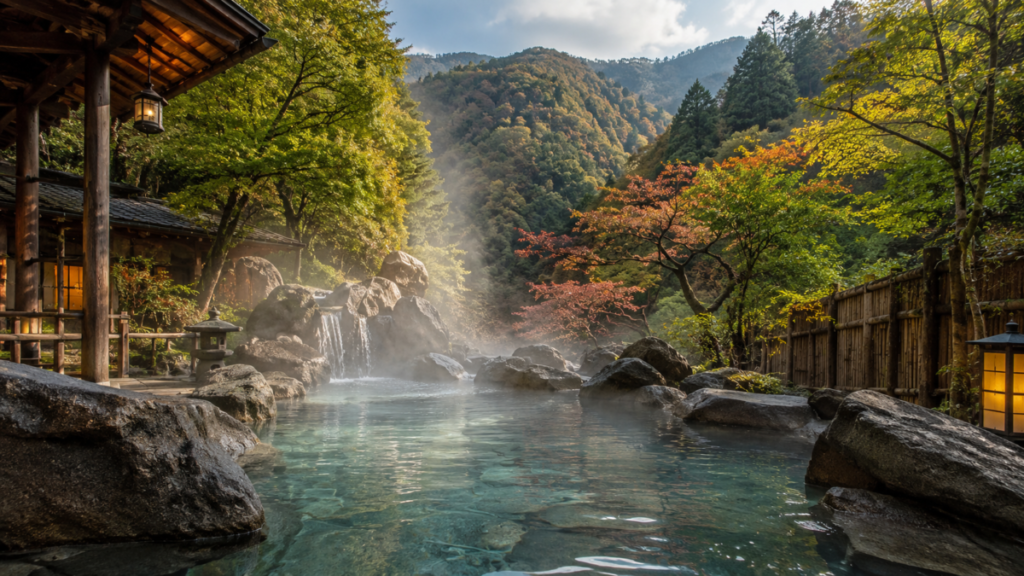
Outdoor baths, often referred to as open air onsen, are among the most sought after hot spring experiences in Japan. These baths allow visitors to soak while enjoying views of mountains, forests, rivers, or seasonal landscapes.
Many travelers consider outdoor onsen the highlight of their trip because of the connection between nature and relaxation. The experience changes dramatically throughout the year, from colorful autumn foliage and snowy winter scenery to fresh greenery in spring and summer.
Private Onsen
Private onsen have become increasingly popular among international visitors. These facilities provide a more personal experience and can be especially appealing for couples, families, or travelers who feel uncomfortable using communal bathing areas.
Private baths are commonly found at traditional inns and selected hot spring resorts. While they may require reservations or additional fees, many visitors appreciate the privacy and flexibility they provide.
Related Reading: Best Time to Visit Japan
Related Reading: Where to Stay in Japan
Popular Onsen Regions in Japan
Japan offers countless hot spring destinations, but a few regions consistently stand out among travelers looking for memorable experiences. These destinations combine natural beauty, cultural heritage, and established hot spring traditions.
Hakone
Hakone is one of the most accessible hot spring destinations for travelers visiting Tokyo. The area combines scenic landscapes, mountain views, cultural attractions, and a wide variety of hot spring accommodations.
Because of its convenient location, Hakone is often recommended as an introduction to onsen culture. Visitors can enjoy traditional bathing experiences while remaining within easy reach of Japan’s largest city.
Beppu
Beppu is widely regarded as one of Japan’s most famous hot spring destinations. Located in Kyushu, the city features numerous hot spring facilities, distinctive geothermal landscapes, and a long history connected to wellness tourism.
The diversity of experiences available in Beppu attracts travelers interested in exploring different styles of hot spring culture. The city continues to be one of the country’s most recognized onsen destinations.
Hokkaido
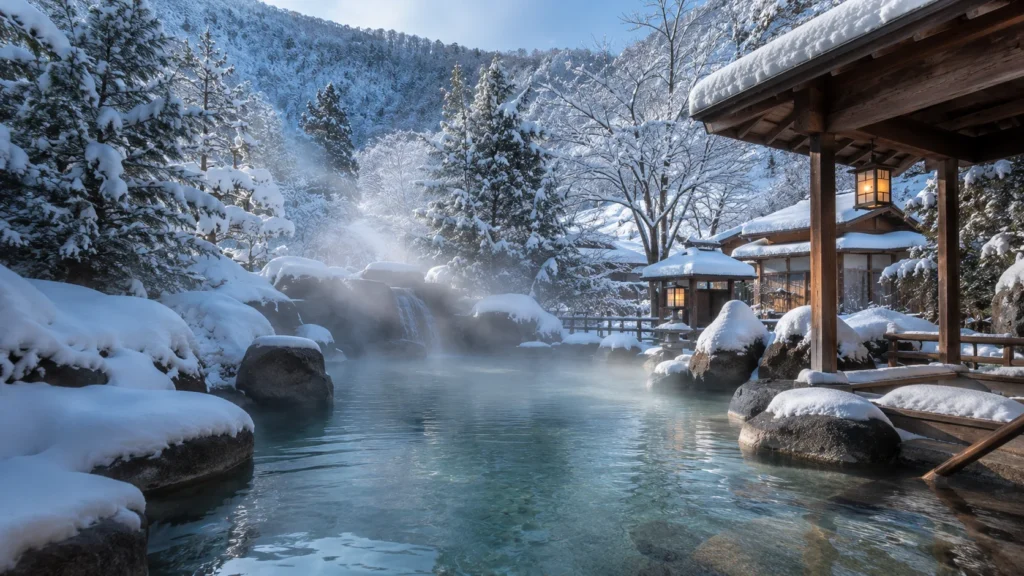
Hokkaido offers a unique hot spring experience shaped by dramatic landscapes, colder temperatures, and a strong connection to nature. The region is home to numerous onsen towns where visitors can enjoy mineral rich baths while surrounded by mountains, forests, rivers, and seasonal scenery.
Winter is particularly popular because outdoor baths often overlook snow covered landscapes, creating an atmosphere that many travelers consider unforgettable. However, Hokkaido’s hot springs can be enjoyed throughout the year, with each season providing a distinct experience.
Many visitors combine hot spring destinations with time in Sapporo, using the city as a convenient base for exploring northern Japan. After spending time in traditional onsen towns, travelers often appreciate a relaxing sapporo luxury hotel experience after exploring onsen towns, allowing them to enjoy both cultural experiences and modern comforts during the same journey.
From mountain resorts to remote countryside retreats, Hokkaido remains one of the best onsen in Japan regions for travelers seeking relaxation, scenery, and regional hospitality.
Onsen Etiquette Every Visitor Should Know
Understanding basic etiquette is one of the most important parts of preparing for an onsen visit. While the rules may seem unfamiliar at first, they are generally straightforward and designed to ensure a pleasant experience for everyone.
The most important custom is washing thoroughly before entering the bath. Dedicated washing stations are typically provided, allowing visitors to clean themselves before using the shared hot spring water. This practice helps maintain cleanliness and reflects the communal nature of onsen culture.
Visitors should also remember that swimwear is generally not worn in traditional onsen facilities. While this can feel unusual for first time guests, it is a standard part of the experience throughout much of Japan.
Towels are commonly used while moving around the facility, but they should not be placed in the bath water itself. Many travelers simply place a small towel beside the bath or on their head while soaking.
Another important aspect of etiquette is maintaining a calm atmosphere. Onsen are traditionally viewed as places for relaxation, making quiet conversation and respectful behavior particularly important.
Health and Relaxation Benefits of Onsen
For centuries, hot springs have been associated with wellness and relaxation. While individual experiences vary, many visitors report feeling refreshed and rejuvenated after spending time in mineral rich baths.
The warm water encourages relaxation while providing a peaceful environment away from daily distractions. Combined with scenic surroundings and slower travel experiences, onsen often become an opportunity to focus on rest and recovery during a trip.
Many travelers also appreciate the mental benefits of disconnecting from technology and busy schedules. Spending time in a quiet outdoor bath surrounded by nature can create a sense of calm that is difficult to replicate elsewhere.
Whether visiting a small countryside hot spring or a larger resort facility, the overall experience often encourages visitors to slow down and enjoy a more mindful approach to travel.
Common Mistakes First Time Visitors Make
Although onsen culture is welcoming, first time visitors occasionally make mistakes that can affect their experience. Being aware of these issues in advance helps ensure a smoother visit.
Skipping the Pre Bath Wash
One of the most common mistakes is entering the bath without washing first. This step is considered an essential part of onsen etiquette and should never be skipped.
Treating Onsen Like a Swimming Pool
Onsen are designed for relaxation rather than recreation. Splashing, swimming, or creating excessive noise can disrupt the atmosphere that other visitors are seeking.
Rushing Through the Experience
Many travelers visit an onsen simply to check it off their itinerary. Taking time to appreciate the surroundings, atmosphere, and traditions often results in a far more meaningful experience.
Ignoring Regional Differences
Each hot spring destination has its own character. Travelers who explore multiple regions frequently discover that different mineral compositions, landscapes, and local traditions create distinct experiences throughout the country.
Frequently Asked Questions
What Is an Onsen in Japan?
An onsen is a traditional Japanese hot spring that uses naturally heated mineral rich water from geothermal sources. These facilities can be found throughout the country and are an important part of Japanese culture, wellness, and tourism.
Do I Need to Wear Swimwear in an Onsen?
Traditional onsen generally do not allow swimwear. Visitors use the baths without clothing, following customs that have been practiced for generations. Private onsen facilities may offer additional flexibility depending on the location.
Are Onsen Suitable for First Time Visitors?
Yes. Many facilities welcome international guests and provide guidance on bathing procedures and etiquette. Learning a few basic customs beforehand can help first time visitors feel more comfortable and confident.
What Is the Difference Between an Onsen and a Regular Bath?
An onsen uses naturally heated mineral water sourced from underground hot springs, while regular baths typically use heated tap water. The mineral content and natural setting are key elements that distinguish an onsen experience.
When Is the Best Time to Visit an Onsen?
Onsen can be enjoyed throughout the year. Winter is especially popular because outdoor baths often overlook snowy landscapes, while autumn and spring provide beautiful seasonal scenery that enhances the experience.
Can Families Use Onsen Together?
Some facilities offer private baths that can be reserved by families or small groups. These options provide a more flexible experience while allowing visitors to enjoy traditional hot spring culture together.
What Should I Bring to an Onsen?
Most facilities provide essential amenities such as towels, soap, and hair dryers. However, bringing a small towel and checking facility guidelines in advance can help ensure a smoother visit.
Experiencing Japan Through Its Hot Springs
While Japan is known for its cities, cuisine, and cultural landmarks, onsen provide an entirely different perspective on the country. They offer an opportunity to slow down, appreciate natural surroundings, and participate in traditions that have been enjoyed for generations. For many travelers, a visit to a hot spring becomes one of the most memorable moments of an entire journey.
From the accessible hot spring resorts of Hakone and the famous bathing culture of Beppu to the scenic landscapes of Hokkaido, each destination contributes something unique to the overall experience. The diversity of hot spring regions ensures that travelers can find options that match their interests, whether they prefer mountain retreats, coastal scenery, or traditional countryside towns.
For first time visitors, approaching onsen with curiosity and respect is often the best strategy. Understanding the basics of etiquette, exploring different styles of baths, and embracing the slower pace of hot spring culture can transform a simple bath into a meaningful travel experience. As a result, many visitors leave Japan with a greater appreciation for the role that hot springs continue to play in everyday life and regional traditions across the country.