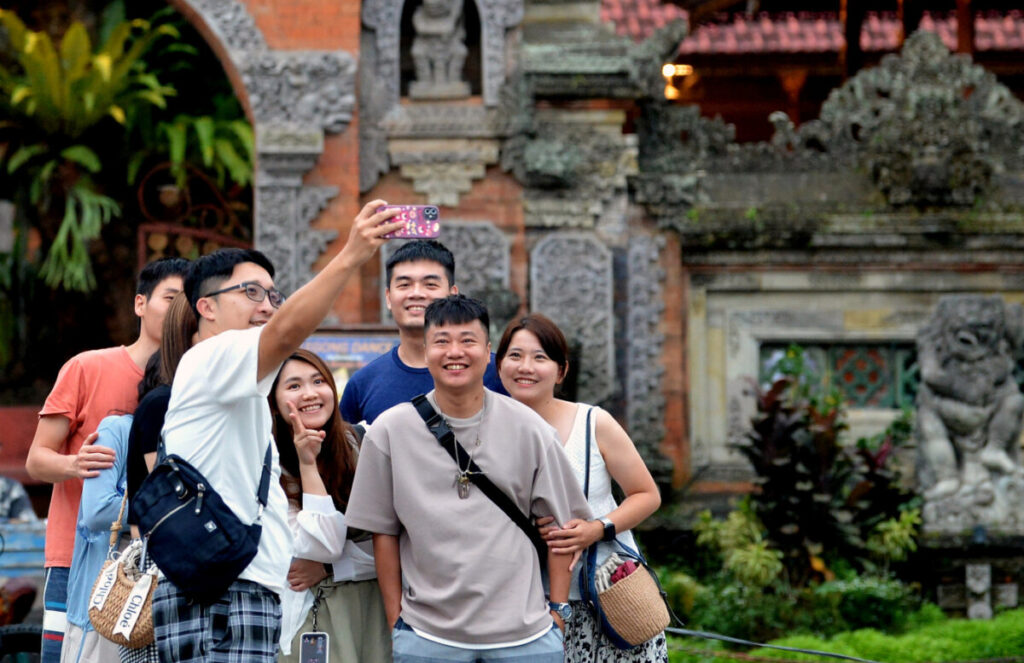

Tourism has always played a big role in Bali’s economy, helping to support many jobs and businesses on the island. It brings in a lot of money, allowing the local people and the community to thrive. Known as the Island of the Gods, Bali draws millions of international visitors annually, captivated by its natural beauty, culture, and hospitality. However, tourism has triggered a Bali property boom, creating opportunities and challenges for the local community.
In the first quarter of 2024, Indonesia welcomed over three million foreign tourists, with 44.5% arriving through Bali’s Ngurah Rai Airport. This influx underscores the island’s popularity, yet it also highlights a pressing issue: the soaring cost of property, which is increasingly out of reach for many Balinese residents.
The Impact of Tourism on Bali Property Prices
The recent surge in tourism has significantly influenced the prices of properties in Bali. Over the past five years, property values on the island have increased by an average of 7% annually. For example, in Gianyar, land prices now average IDR 300 million per 100 square meters, while in Denpasar, they reach up to IDR 1 billion for the same area.
This sharp escalation is driven by several factors, including high demand from foreign and domestic investors, infrastructure development, and the proliferation of hotels and luxury villas catering to tourists. While these developments contribute to Bali’s growth, they also make it increasingly difficult for locals to afford land or homes, raising concerns about long-term sustainability.
Also read Nusa Dua Resort: Day Excursions for Adventure
Economic Realities for Balinese Residents
Despite Bali’s thriving tourism sector, the financial realities for residents present a stark contrast. In 2025, The Provincial Minimum Wage (UMP) in Bali is IDR 2.996.561, with the highest wages in Badung Regency at IDR 3.534.338. These earnings are insufficient to keep pace with the surging Bali property prices, forcing many locals to reconsider homeownership or relocate to more affordable areas.
This economic disparity is not unique to Bali. Similar issues have arisen in global tourist destinations like Barcelona, Spain, where residents have protested against the rising cost of living attributed to mass tourism. In Malaga, locals face similar struggles, with average rentals surpassing 1,200 euros monthly despite salaries averaging 1,600 euros.
Addressing the Challenges of Over-tourism and Property Prices
Unchecked mass tourism, often referred to as overtourism, poses significant challenges for local communities. While tourism is vital for economic growth and post-pandemic recovery, it can lead to gentrification, environmental degradation, and social disruption. These issues are evident in Bali, where the rapid rise in Bali property prices threatens to displace local residents.
A 2021 study in the European Journal of Tourism Research highlights the adverse effects of overtourism on quality of life, including traffic congestion and loss of cultural identity. Tackling these challenges calls for a thoughtful strategy that champions sustainable tourism development and fiercely protects the needs and aspirations of local communities. It’s about finding that ideal balance where everyone thrives!