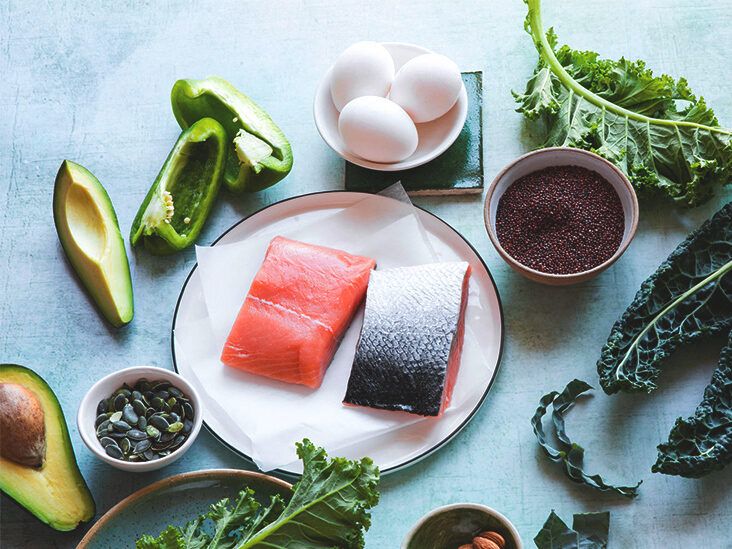

Food & Health: Why What You Eat Matters
Food is more than fuel. The foods we eat every day can influence energy levels, digestion, immune function, mood, sleep quality, and long-term health. However, healthy eating does not necessarily mean following a restrictive diet or avoiding everything considered unhealthy.
A practical approach to food and health focuses on balance, variety, portion awareness, and consistently choosing nutritious foods. Fresh vegetables, fruits, whole grains, quality protein, healthy fats, and adequate water can form the foundation of a healthy eating pattern.
The goal is not perfection. Instead, making small, sustainable improvements to everyday meals can yield meaningful benefits over time.
1. Build Meals Around Nutrient-Dense Foods
One of the simplest ways to improve your diet is to prioritize foods that provide plenty of nutrients relative to their calories.
Vegetables, fruits, legumes, whole grains, eggs, fish, lean meats, nuts, seeds, and minimally processed foods can provide important vitamins, minerals, fiber, protein, and healthy fats.
For example, instead of making refined carbohydrates the main part of a meal, try combining brown rice or other whole grains with vegetables and a protein source such as fish, chicken, tofu, or beans.
This approach can make meals more satisfying while providing a wider range of nutrients.
2. Eat More Fruits and Vegetables
Fruits and vegetables are among the most important components of a balanced diet. They provide fiber and a wide variety of vitamins, minerals, and naturally occurring plant compounds.
Try to include different colors throughout the week. Leafy greens, carrots, tomatoes, berries, oranges, peppers, and other colorful produce offer different nutritional profiles.
A simple strategy is to add vegetables to meals you already enjoy rather than completely changing your diet. Vegetables can be added to omelets, soups, noodles, rice dishes, sandwiches, or stir-fries.
3. Choose Protein Sources Wisely
Protein helps maintain and repair body tissues and contributes to feelings of fullness after meals.
Good sources include fish, eggs, poultry, lean meat, dairy products, tofu, tempeh, lentils, beans, and other legumes. Choosing a variety of protein sources can make your diet more balanced and interesting.
For people who eat mostly plant-based foods, combining different plant protein sources throughout the day can help provide a broad range of essential amino acids.
4. Don’t Forget Healthy Fats
Fat is an essential nutrient, but the type and amount matter.
Foods such as avocados, nuts, seeds, olive oil, and fatty fish can provide unsaturated fats. These can be incorporated into a balanced eating pattern without requiring extremely low-fat meals.
Healthy fats can also make meals more satisfying and help the body absorb certain fat-soluble vitamins.
Rather than eliminating fat completely, focus on choosing healthier sources and keeping portions appropriate.
5. Make Fiber a Daily Priority
Fiber plays an important role in digestive health and can also contribute to feelings of fullness.
Whole grains, vegetables, fruits, beans, lentils, nuts, and seeds are useful sources of dietary fiber. Gradually increasing fiber intake while drinking enough water can help the digestive system adapt.
Instead of making major dietary changes immediately, try simple substitutions. Choose whole-grain bread instead of refined bread, add beans to meals, or replace a processed snack with fruit and nuts.
6. Stay Hydrated
Good nutrition is not only about solid food. Water is essential for normal body functions, and inadequate fluid intake can contribute to dehydration and symptoms such as fatigue or headaches.
Individual fluid needs vary depending on factors such as activity, climate, body size, and diet. People living in hot and humid environments may need to pay particular attention to hydration.
Water is generally a simple choice for everyday hydration. Unsweetened drinks can also contribute to fluid intake.
7. Reduce Highly Processed Foods Without Banning Them
Highly processed foods are not automatically forbidden, and an occasional treat can fit into a balanced lifestyle. However, diets dominated by foods high in added sugar, sodium, and unhealthy fats may make it harder to maintain good overall nutrition.
Instead of thinking in terms of “good” and “bad” foods, consider frequency and portion size.
For example, eating a sweet dessert occasionally is different from relying on sugary snacks and beverages throughout the day. The overall eating pattern matters more than any single meal.
8. Pay Attention to Portion Sizes
Even nutritious foods can contribute to excessive calorie intake when portions are consistently larger than your body’s needs.
Portion awareness does not require weighing every ingredient. A practical approach is to eat slowly, pay attention to hunger and fullness signals, and avoid automatically taking oversized servings.
Using a smaller plate, serving food before sitting down, and avoiding distracted eating can also make it easier to be aware of portion sizes.
9. Create Healthy Eating Habits You Can Maintain
The best nutrition plan is one that fits your lifestyle.
A complicated diet may work temporarily but become difficult to maintain because of cost, preparation time, social situations, or personal preferences. Sustainable food and health habits should be realistic enough to continue for months and years.
Start with one or two changes. You could add vegetables to one meal each day, drink more water, prepare meals at home more often, or replace one highly processed snack with a whole-food alternative.
Once a habit becomes routine, introduce another improvement.
10. Remember That Food Is Only One Part of Health
Nutrition is important, but overall health depends on more than diet alone. Regular physical activity, adequate sleep, stress management, social connection, and appropriate healthcare all contribute to well-being.
Someone can eat a nutritious diet while still neglecting sleep or physical activity. A healthier lifestyle therefore considers the bigger picture rather than focusing exclusively on individual foods.
It is also important to recognize that nutritional needs differ between individuals. Age, activity level, medical conditions, medications, allergies, pregnancy, and other factors can influence dietary requirements. People with specific health concerns should seek personalized guidance from a qualified healthcare professional or registered dietitian.
Food & Health: Start With Small Changes
Improving your relationship with food does not require an extreme diet. The most effective approach is often surprisingly simple: eat a greater variety of nutrient-dense foods, include plenty of fruits and vegetables, choose quality protein and healthy fats, consume enough fiber and fluids, and moderate highly processed foods.
Most importantly, focus on consistency rather than perfection. A healthy lifestyle is created through everyday choices repeated over time, not through a single perfect meal.
Frequently Asked Questions About Food & Health
Food provides energy and nutrients needed for normal body functions. A balanced diet can support overall well-being, while consistently poor dietary patterns may increase the risk of various health problems.
A balanced eating pattern can include vegetables, fruits, whole grains, protein-rich foods, healthy fats, and adequate fluids. Variety is important because different foods provide different nutrients.
Not necessarily. Beans, lentils, eggs, seasonal vegetables, fruits, whole grains, and other minimally processed foods can be affordable options. Planning meals and cooking at home may also help control costs.
For most people, completely eliminating occasional treats is unnecessary. A healthier approach is to make nutritious foods the foundation of your diet while limiting foods that are high in added sugar, sodium, or unhealthy fats.
Start with one manageable change. Adding vegetables to one meal, drinking more water, eating more whole foods, or reducing sugary drinks can be a practical first step toward a healthier eating pattern.