A Komodo island tour can be much more than a visit to see the world’s largest lizard. For travellers from Indonesia, Singapore, and the US, the best journey blends rare wildlife, ocean days, island culture, and quiet moments that explain why this corner of Flores feels different from any ordinary tropical escape.
A Journey Shaped by Real Island Life
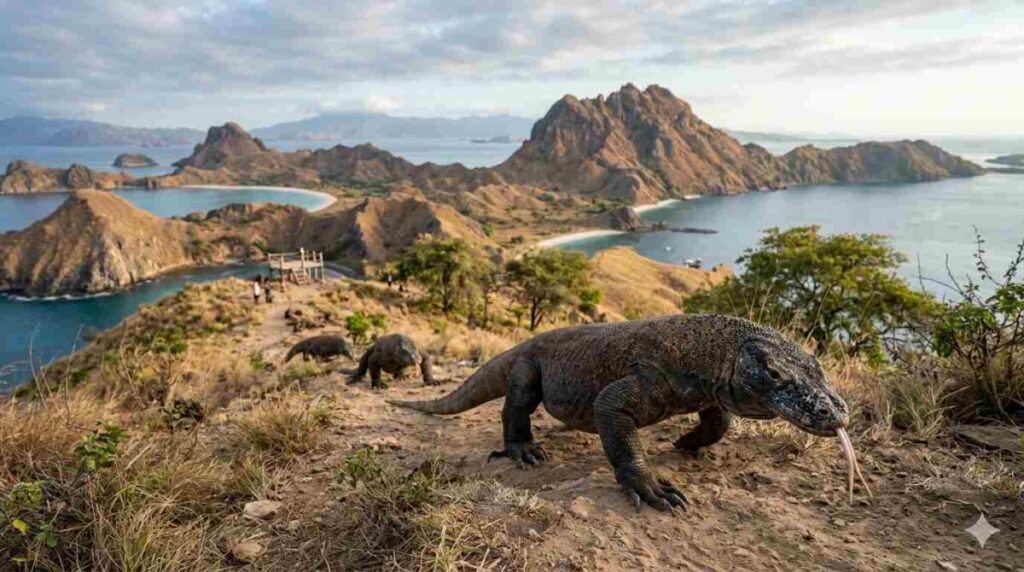
Komodo is often introduced through dramatic images: dry savannah hills, turquoise bays, pink beaches, and the ancient stare of the Komodo dragon. Yet one of the deepest benefits of visiting this region is understanding that the island is not only a wildlife destination. It is also a living home.
In Komodo Village, local life has long existed close to the dragons, known locally as Ora. Houses are built with practical awareness of the surrounding environment, daily routines are shaped by caution, and stories passed through generations continue to influence how people see the animals around them. The old Ata Modo legend, which speaks of humans and dragons as spiritual siblings, adds a layer of meaning that travellers rarely find in a standard beach holiday.
Choosing a Komodo island tour with this perspective helps visitors move beyond sightseeing. It turns the trip into a lesson in coexistence, patience, and respect for a place where nature is not treated as a backdrop, but as a powerful presence.
The Benefit of Seeing Dragons with Respect
The Komodo dragon is not a theme-park attraction. It is an endangered, wild predator that exists naturally only in this part of Indonesia. Seeing one in its original habitat is a rare privilege, especially when guided by trained rangers who understand animal behaviour, visitor safety, and conservation rules.
This is why visitor management has become increasingly important. Komodo National Park welcomed more than 429,000 visitors in 2025, exceeding the area’s annual carrying capacity. From April 2026, the park applies a daily visitor limit of 1,000 people to reduce pressure on key sites such as Komodo Island, Rinca Island, Padar Island, and surrounding dive areas.
For travellers, this makes early planning more valuable. A well-arranged Komodo island tour helps secure access, manage timing, and reduce rushed decisions during peak seasons. It also supports a more responsible way of travelling, where the experience is memorable without overwhelming the destination.
Sailing Makes the Destination Feel Larger
Komodo is best understood by sea. The islands are scattered, the beaches are remote, and many of the most beautiful viewpoints are reached by boat. This is where a Komodo boat charter becomes more than transport. It becomes the rhythm of the journey.
A Komodo yacht charter gives travellers the freedom to wake up near quiet bays, snorkel before other groups arrive, and enjoy sunset from the deck instead of rushing back to town. For premium travellers, a luxury yacht Komodo experience adds comfort, privacy, curated meals, and flexible pacing. A luxury boat Komodo itinerary can also be ideal for families, couples, or small groups who want space without losing the raw beauty of the national park.
Those who prefer slow travel may choose a Komodo luxury cruise or Komodo liveaboard, especially when combining dragon trekking, snorkeling, diving, island hikes, and beach time over several days. The benefit is simple: the journey feels less like a checklist and more like an unfolding story.
Why Private Travel Works for Indonesia, Singapore, and US Travellers
Travellers from Indonesia often look for meaningful domestic escapes that still feel rare and special. Singapore-based travellers usually value short flight connections, efficient planning, and premium comfort. US travellers often seek once-in-a-lifetime wildlife, photography, and multi-day adventure.
A Komodo private tour suits all three markets because it allows the itinerary to match personal pace. Some travellers want more snorkeling. Others want photography, sunset viewpoints, cultural context, or quiet time on board. A private Komodo island tour also works well for honeymooners, families, and friend groups who prefer a controlled schedule instead of joining fixed group departures.
This private style is especially useful under visitor quota rules. With the right planning, travellers can avoid peak times, secure permits in advance, and plan a route that balances the famous highlights with softer, less hurried experiences.
Culture Adds Depth to the Adventure
The most beautiful trips are not always the ones with the longest list of places. They are the ones that help travellers feel connected to where they are.
Komodo Village offers a powerful reminder that the national park is not only about landscapes and wildlife. Local communities have lived near the dragons for generations, adapting their homes, habits, and beliefs around the reality of sharing space with an apex predator. For visitors, learning this context creates a different kind of benefit: deeper appreciation.
Instead of seeing the dragon as only a photo subject, travellers begin to understand its role in local identity, mythology, caution, and daily life. That awareness makes the entire journey more respectful and more memorable.
How Komodo Connects with Eastern Indonesia Travel
Komodo is often the first step into a wider appreciation of eastern Indonesia. Travellers who enjoy this region may later consider sailing Raja Ampat, planning a Raja Ampat trip, or arranging a Raja Ampat boat charter for another remote marine journey.
While Raja Ampat is known for extraordinary reefs and island formations, Komodo offers a rare mix of wildlife, savannah landscapes, village culture, diving, snorkeling, and liveaboard sailing. Together, these destinations show why eastern Indonesia is one of the world’s most rewarding regions for ocean-based travel.
Best Experiences to Include
A strong itinerary should balance famous highlights with enough time to enjoy them properly. Padar Island is ideal for sunrise or soft morning light. Pink Beach offers a rare coastal scene for swimming and photography. Rinca or Komodo Island gives visitors the chance to see dragons with official rangers. Manta Point is popular for snorkeling when conditions allow, while quieter bays create space for kayaking, paddleboarding, or simply resting on deck.
The biggest benefit of a thoughtful Komodo journey is not only what you see, but how you see it. Travelling by boat lets the landscape unfold slowly. It leaves room for silence, ocean air, and a sense of being far from the usual pace of modern travel.
Final Thoughts
Komodo rewards travellers who come with curiosity, respect, and time. The dragons may be the reason many people first dream of visiting, but the true value of the journey is larger: village stories, volcanic islands, marine life, remote beaches, and the rare feeling of entering a place where nature still leads.
For a tailored itinerary, plan your Flores and Komodo journey with a team that knows how to make the destination a meaningful travel experience.
FAQ
April to October is usually preferred for drier weather, clearer views, and better sailing conditions around the national park.
Three to five days is ideal for dragons, Padar, beaches, snorkeling, and relaxed time on board.
Yes, with proper planning, ranger-guided walks, safe boat arrangements, and flexible pacing for children or older family members.
Yes. Visitor limits make advance planning important, especially during peak travel months and holiday periods.
Yes. Travellers usually fly to Bali or Jakarta, then continue to Labuan Bajo as the main gateway.
Komodo combines rare wildlife, dramatic savannah hills, rich marine life, village culture, and multi-day sailing experiences.